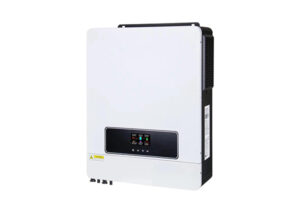
When setting up a solar power system, one of the most common questions homeowners and businesses ask is: “What size solar inverter do I need?” The solar inverter is the heart of your system, converting DC electricity from your panels into AC power for household or commercial use. Choosing the right size inverter is critical for maximizing efficiency, protecting your investment, and ensuring reliable performance.
What Does a Solar Inverter Do?
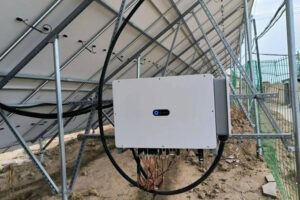
A solar inverter:
- Converts DC power from solar panels into AC power for appliances.
- Optimizes the energy harvest from your solar panels.
- Provides safety features and monitoring options.
Without the right inverter, even the best solar panels cannot deliver peak performance.
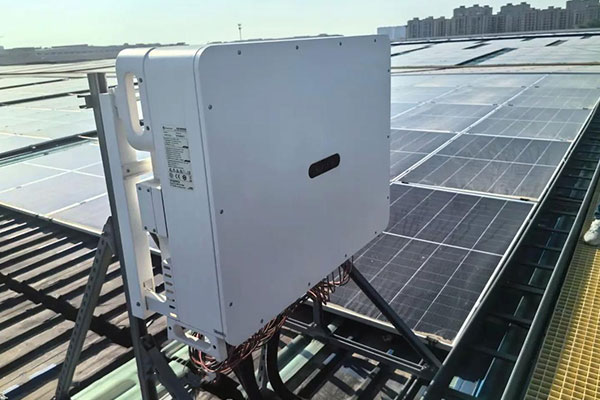
Factors That Determine Solar Inverter Size
1. Solar Panel System Size (kW)
The most important factor is the size of your solar panel array, usually measured in kilowatts (kW). For example:
- A 5kW solar system typically pairs with a 5kW inverter.
- A 10kW system pairs with a 10kW inverter.
However, slight undersizing or oversizing may be recommended depending on location and energy needs.
2. DC-to-AC Ratio
This ratio compares the DC power from panels to the AC power rating of the inverter. Most solar systems use a DC-to-AC ratio between 1.1 and 1.3.
- Example: A 6.5kW solar panel array may use a 5kW inverter (ratio 1.3).
Why undersize? Because solar panels rarely produce their maximum rated power, so a slightly smaller inverter can actually operate more efficiently.
3. Local Climate and Sunlight Conditions
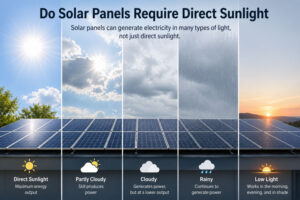
- In hot regions, solar panels produce less than their rated capacity, so a smaller inverter can be more efficient.
- In cooler, sunnier areas, you may need a larger inverter to handle higher energy peaks.
4. Grid Connection Rules
Some utility companies limit inverter size relative to your connection. Always check local regulations before choosing.
5. Future Energy Needs
If you plan to expand your solar system later (adding panels, batteries, or EV charging), consider an inverter that allows for upgrades. Hybrid inverters are a good choice for future-proofing.
Common Solar Inverter Sizes
- 3kW inverter → Suitable for small households with low energy use.
- 5kW inverter → Ideal for average homes.
- 6.6kW inverter → Popular for medium to large households.
- 10kW+ inverter → Used for large homes, businesses, or farms.
Should I Oversize or Undersize My Inverter?
- Slightly undersizing (using a smaller inverter than your panel capacity) can increase efficiency and lower costs.
- Oversizing is sometimes allowed but may be restricted by utility providers. Oversizing can prepare for future energy growth but may increase upfront costs.
Key Takeaway
The right inverter size depends on your solar system size, DC-to-AC ratio, climate, and energy goals. For most residential systems, an inverter size between 3kW and 10kW is common. To get the best results, consult with a qualified solar installer who can design a system tailored to your energy needs.