When considering a solar panel system for your home or business, one of the most important factors to consider is the lifespan of the panels. After all, solar energy is an investment, and understanding how long solar panels last can help you determine the long-term value of the system. So, how long do solar panels last? Let’s dive into the details to give you a clear understanding of their longevity.
The Average Lifespan of Solar Panels
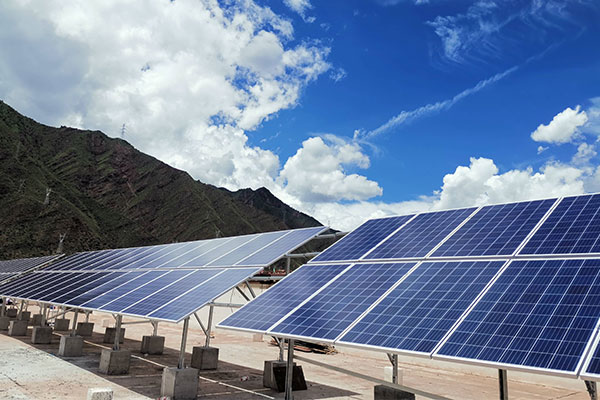
On average, solar panels are built to last between 25 to 30 years. This is based on industry standards, but there are a few nuances to consider.
While the panels themselves may last for several decades, the performance of the panels will degrade over time. Most solar panel manufacturers guarantee a certain level of performance for the first 25 years. Typically, after 25 years, solar panels may still be functioning, but their efficiency may have decreased by around 20%. This means they still generate power, but not as efficiently as when they were first installed.
Factors Affecting Solar Panel Lifespan
While solar panels are durable, their lifespan can vary depending on a variety of factors:
1. Quality of the Panels
The quality of the solar panels you choose plays a significant role in how long they last. Higher-end solar panels from reputable brands tend to last longer and have better warranties. These panels often come with 25-year performance guarantees, ensuring they produce energy efficiently for decades.
2. Installation
Proper installation is essential for maximizing the lifespan of solar panels. Poor installation can lead to damage, water leakage, or performance issues. It’s crucial to hire a professional installer with a good reputation to ensure your solar panels are properly mounted and connected.
3. Maintenance
Though solar panels require minimal maintenance, regular cleaning and occasional inspections can help prolong their lifespan. Keeping them free from debris, dirt, or shading ensures they operate at peak efficiency.
4. Climate and Weather Conditions
Extreme weather conditions can impact the longevity of solar panels. Areas prone to severe weather, such as heavy snowfall, hailstorms, or extreme heat, may cause the panels to degrade faster. However, most solar panels are designed to withstand harsh conditions and are tested for durability.
5. Location
The geographical location of your solar panel system matters. Panels in areas with high solar radiation (e.g., sunny regions) tend to degrade faster due to increased wear. However, they also generate more power over their lifetime, compensating for the slightly faster degradation rate.
What Happens After 25-30 Years?
After 25-30 years, your solar panels will likely still produce electricity, but at a reduced rate. The degradation rate after the 25-year mark is generally about 0.5% per year. So, a 30-year-old panel might be producing 75-80% of its original output.
If your panels are still working efficiently after several decades, you can continue to use them, or you may opt to replace them with newer models that offer better efficiency and technology. Some people also choose to upgrade their system, adding more panels to increase energy production.
How to Maximize the Lifespan of Your Solar Panels
While solar panels are designed to last for decades, there are steps you can take to ensure they last as long as possible:
- Regular Cleaning: Keeping your solar panels clean and free of debris will help them absorb sunlight more effectively. Use a soft cloth or non-abrasive materials to avoid scratching the surface.
- Monitor Performance: Keep an eye on your system’s performance to ensure it’s operating at peak efficiency. If you notice a significant drop in energy production, it may be time to get an inspection.
- Install Properly: Choose an experienced, certified installer to ensure your panels are correctly mounted and connected.
- Protect from Damage: If you live in an area with extreme weather conditions, you may want to invest in additional protection, like panels with higher durability ratings or protective coverings for harsh seasons.
Conclusion
Solar panels are a long-term investment designed to last for decades. On average, you can expect them to function efficiently for 25 to 30 years, with minimal degradation. By choosing high-quality panels, ensuring proper installation, and maintaining your system, you can maximize the lifespan of your solar panels, making your investment worthwhile for years to come.