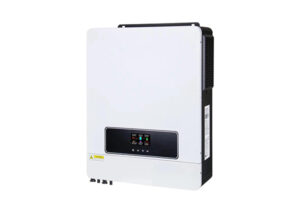
When people think about solar power systems, the first thing that comes to mind is solar panels. But while panels capture sunlight and generate electricity, they cannot directly power most of our household or industrial devices. This is where the solar inverter comes in—a critical component of every solar energy system.
In this guide, we’ll explain what a solar inverter is, how it works, its main types, and why it’s essential for converting solar energy into usable electricity.
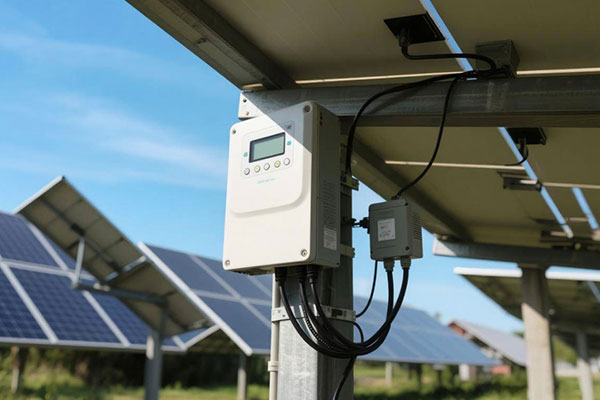
What is a Solar Inverter?
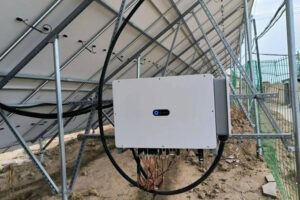
A solar inverter is an electrical device that converts direct current (DC) produced by solar panels into alternating current (AC). Since most appliances, machines, and the power grid run on AC power, the inverter acts as the bridge between your solar system and the usable electricity in your home or business.
In simple terms, without a solar inverter, the energy from your solar panels would be practically unusable.
How Does a Solar Inverter Work?
The process is straightforward:
- Solar panels absorb sunlight and generate DC electricity.
- The DC power flows into the inverter.
- The inverter converts DC into AC power.
- AC power is supplied to household or commercial loads—or exported to the grid if you have a grid-tied system.
Many modern solar inverters also include monitoring systems, allowing users to track performance, energy production, and fault detection via mobile apps or online platforms.
Types of Solar Inverters
Choosing the right type of inverter is essential for efficiency, reliability, and cost savings. The main types include:
1. String Inverters
- Connects multiple solar panels in series (a “string”).
- Cost-effective and widely used in residential and commercial systems.
- Best for installations without shading issues.
2. Microinverters
- Installed on each solar panel individually.
- Optimizes the performance of each panel, especially useful in shaded areas.
- Higher cost but improved efficiency and monitoring.
3. Hybrid Inverters
- Combines the functions of a regular inverter with battery storage capability.
- Allows users to store excess solar power for later use.
- Ideal for homes and businesses looking for energy independence.
4. Central Inverters
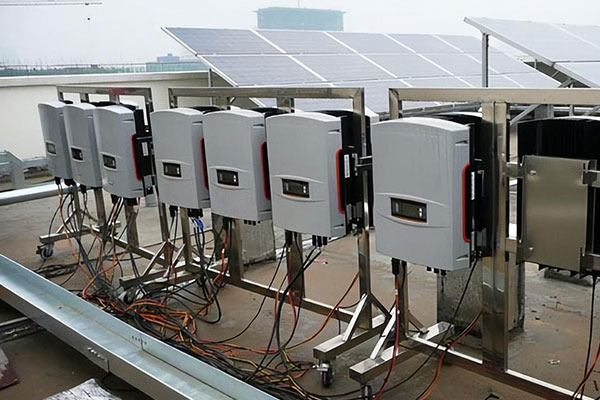
- Large-scale inverters designed for utility and industrial solar farms.
- High power capacity but not suitable for residential systems.
Why is a Solar Inverter Important?
A solar inverter does much more than just convert electricity. Its key roles include:
- Power Conversion: Turning DC into AC for practical use.
- Energy Optimization: Ensuring maximum efficiency of the solar system.
- System Monitoring: Providing real-time data on performance and faults.
- Grid Connection: Ensuring safe and stable integration with the local power grid.
Without an efficient solar inverter, even the best solar panels cannot deliver their full potential.
Choosing the Right Solar Inverter
When selecting a solar inverter, consider the following factors:
- System Size: Match the inverter capacity with your solar panel system.
- Type of Installation: Roof conditions, shading, and energy storage needs.
- Efficiency Rating: Higher efficiency means better performance.
- Warranty & Reliability: Inverters typically last 10–15 years, so long-term reliability is crucial.
- Smart Features: Remote monitoring and grid support functions.
Final Thoughts
A solar inverter is the heart of any solar power system. It ensures the energy captured by solar panels can be used effectively in your home, business, or industrial facility. By understanding the types and functions of solar inverters, you can make better decisions when investing in solar energy.
Whether you’re planning a small residential system or a large-scale solar project, choosing the right inverter will directly impact efficiency, cost savings, and long-term performance.