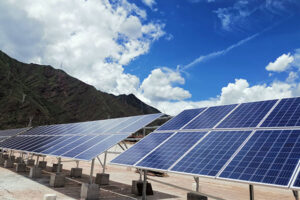
Solar street lights have become an essential part of modern urban and rural infrastructure. They provide sustainable, cost-effective, and eco-friendly lighting by harnessing solar energy. One of the most important components of a solar street light is the battery, which stores the solar power collected during the day and supplies it at night. But what kind of batteries are used in solar street lights, and how do they differ? Let’s break it down.
Why Batteries Are Crucial for Solar Street Lights
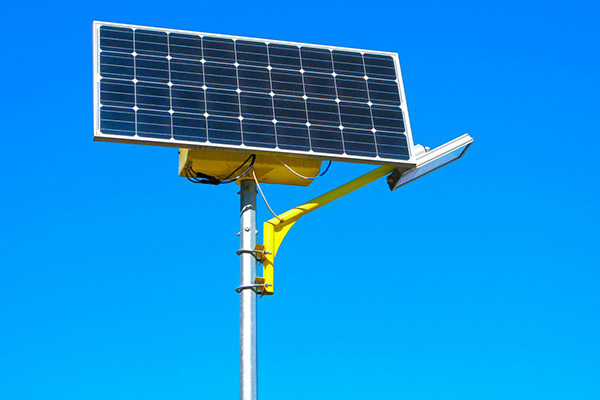
A solar street light works in three main steps:
- The solar panel collects sunlight and converts it into electricity.
- The controller regulates charging and discharging.
- The battery stores the energy for nighttime use.
Without the right battery, a solar street light cannot function efficiently. The battery determines how long the light will run, how reliable it is, and how long the entire system will last.
Types of Batteries Used in Solar Street Lights
There are several types of rechargeable batteries used in solar lighting systems. Each has its own advantages and limitations.
1. Lead-Acid Batteries (Gel & AGM)
- Description: Traditional and widely used in earlier solar street lights.
- Pros: Low cost, proven technology, easy to source.
- Cons: Bulky, heavy, shorter lifespan (2–5 years), requires more maintenance.
- Best For: Projects with limited budgets or where upfront cost is a priority.
2. Lithium-Ion (Li-ion) Batteries
- Description: Compact and commonly used in modern solar street lights.
- Pros: Lightweight, high energy density, faster charging, longer lifespan (5–8 years).
- Cons: Higher cost compared to lead-acid.
- Best For: Urban and residential projects requiring efficient and compact designs.
3. Lithium Iron Phosphate (LiFePO₄) Batteries
- Description: A type of lithium battery designed for safety and durability.
- Pros: Very long lifespan (8–12 years), stable chemistry, excellent thermal performance, high depth of discharge.
- Cons: More expensive than Li-ion and lead-acid.
- Best For: High-quality solar street lights for highways, smart cities, and long-term projects.
Which Battery Is Best for Solar Street Lights?
For long-term performance and reliability: Lithium Iron Phosphate (LiFePO4) is the best option, offering high efficiency and a long service life.
For budget-friendly projects: Lead-acid batteries, such as Gel or AGM, may be sufficient, though they require more frequent replacements.
When choosing a battery, consider:
- Project budget
- Expected lifespan
- Climate conditions
- Maintenance requirements
Conclusion
The type of battery used in solar street lights plays a key role in their efficiency, durability, and cost-effectiveness. While lead-acid batteries are still widely used for economical projects, lithium batteries—especially LiFePO4—have become the industry standard thanks to their long lifespan, high energy efficiency, and low maintenance needs.
Looking for high-quality solar street lights with reliable batteries? Whether you need a lithium battery solar street light for long-lasting performance or a gelled battery solar street light for budget-friendly projects, contact us today to find the right solution for your needs.