Solar water pumps are an eco-friendly and cost-effective solution for pumping water in agricultural, residential, and industrial applications. They use solar energy to power a motor that drives the pump, making them ideal for remote or off-grid areas where electricity is unavailable or expensive.
In this guide, we’ll explore the main types of solar water pumps, how they work, and their advantages and applications — helping you choose the right one for your needs.
What is a Solar Water Pump?
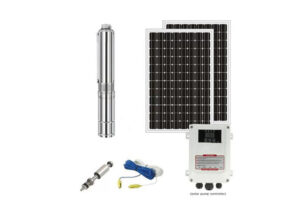
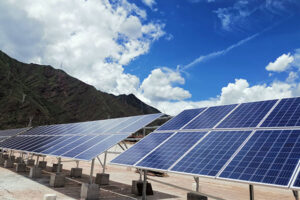
A solar water pump is a device that converts sunlight into electrical energy through solar panels, which then powers a motor to pump water. Unlike traditional diesel or electric pumps, solar pumps operate without fuel or grid electricity, reducing both operational costs and environmental impact.

Main Types of Solar Water Pumps
Solar water pumps are generally categorized based on the type of motor they use and the depth from which they draw water. The main types include:
1. DC Solar Water Pumps
DC (Direct Current) solar water pumps use electricity generated directly from solar panels without the need for an inverter.
Advantages:
- High efficiency with minimal energy loss
- Lower installation cost
- Ideal for small-scale applications
Applications:
- Garden irrigation
- Small farms
- Household water supply
2. AC Solar Water Pumps
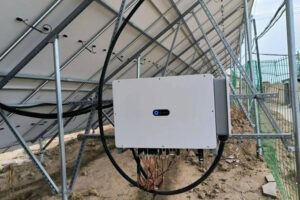
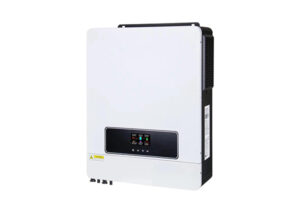
AC (Alternating Current) solar water pumps use an inverter to convert DC power from solar panels into AC power. These pumps are suitable for larger systems or when higher power output is required.
Advantages:
- Can handle higher flow rates
- Compatible with existing AC water pumps
- Suitable for both shallow and deep water sources
Applications:
- Large-scale agriculture
- Livestock watering systems
- Community water supply
3. Surface Solar Water Pumps
Surface solar pumps are installed above the water source and are used for pumping from shallow depths (usually less than 7 meters).
Advantages:
- Easy installation and maintenance
- Cost-effective for shallow water sources
Applications:
- Irrigation of small farms
- Water transfer from rivers or storage tanks
4. Submersible Solar Water Pumps
Submersible solar pumps are placed underwater, typically inside boreholes, wells, or ponds. They can lift water from deep sources (up to hundreds of meters).
Advantages:
- Suitable for deep wells and boreholes
- Operates quietly and efficiently
- Works well for both clean and slightly muddy water
Applications:
- Drinking water supply in rural areas
- Deep well irrigation
- Livestock water systems
5. Centrifugal Solar Water Pumps
Centrifugal pumps use the rotational energy of an impeller to move water. They are ideal for applications requiring high flow rates with low to medium head.
Advantages:
- Delivers large volumes of water
- Ideal for irrigation and water circulation
Applications:
- Flood irrigation
- Aquaculture farms
- Large-scale water transfer
6. Positive Displacement (PD) Solar Water Pumps
Positive displacement solar pumps, such as diaphragm or helical rotor pumps, move a fixed amount of water with each cycle. They are efficient for high head and low flow applications.
Advantages:
- Efficient even at low solar radiation
- Suitable for deep wells
- Handles viscous fluids and high pressure
Applications:
- Drip irrigation
- Deep well water supply
- Remote rural water systems
Choosing the Right Solar Water Pump
When selecting a solar water pump, consider the following factors:
- Water source depth: Shallow (surface) or deep (submersible)
- Flow rate requirement: How much water you need per day
- Purpose of use: Irrigation, livestock, or domestic use
- Available sunlight: The number of sunlight hours per day in your area
- Budget and maintenance: Initial cost and long-term operation cost
Benefits of Solar Water Pumps
- Energy independence: No reliance on grid power or fuel
- Low maintenance: Fewer moving parts and long lifespan
- Cost savings: Free energy from the sun after installation
- Eco-friendly: Zero carbon emissions
- Reliable: Ideal for remote or off-grid locations
Conclusion
Solar water pumps are a smart investment for anyone looking to reduce energy costs and rely on clean, renewable power. From small garden systems to large agricultural setups, there’s a solar pump type suited for every application.
If you’re looking for a reliable solar water pump system, you can contact us directly for more information.