In recent years, solar energy has gained immense popularity due to its eco-friendly and cost-effective nature. Among the many applications of solar energy, solar water pumps are becoming a preferred choice for both residential and commercial purposes. Whether you’re looking to irrigate your garden, supply water to your livestock, or power your pool, a solar water pump can save you money and reduce your environmental impact. But with so many options on the market, choosing the right solar water pump can be challenging.
In this buyer’s guide, we will walk you through everything you need to know about solar water pumps, helping you make an informed decision for your needs.
What is a Solar Water Pump?
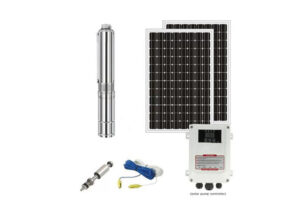
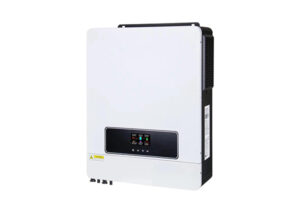
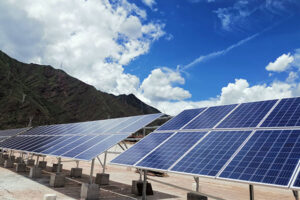
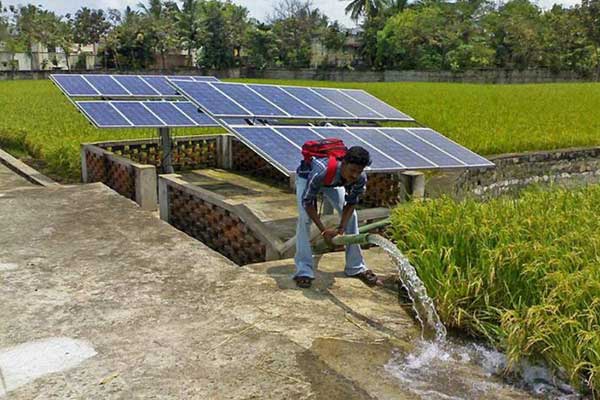
A solar water pump uses solar energy to pump water, making it an ideal solution for locations where traditional electricity is unavailable or unreliable. These pumps typically consist of a solar panel, a pump, and a controller, which work together to harness energy from the sun and pump water for various applications, such as irrigation, livestock watering, or even powering a fountain or pool.
Types of Solar Water Pumps
Before you begin your search for a solar water pump, it’s important to understand the different types available:
1. Surface Solar Water Pumps
These pumps are ideal for pumping water from shallow wells or surface water sources like rivers and ponds. Surface pumps typically work best in situations where the water source is located close to the surface and can pump water up to 10 meters.
2. Submersible Solar Water Pumps
Submersible pumps are placed underwater and are ideal for deeper wells, where the water level is much lower. They are highly efficient and can pump water from depths of up to 200 meters, depending on the power of the pump.
3. Fountain and Pool Solar Pumps
If you’re looking for a solar-powered pump for your garden fountain or swimming pool, a small solar pump specifically designed for these uses may be the best option. These pumps are smaller and designed for low-volume water flow.
Key Factors to Consider When Buying a Solar Water Pump
Choosing the right solar water pump involves considering several factors to ensure it meets your specific needs. Here are the most important elements to consider:
1. Flow Rate
The flow rate is the amount of water the pump can move in a given time, typically measured in liters per minute (L/min) or gallons per hour (GPH). It’s important to choose a pump with a flow rate that matches your needs. For instance, if you’re watering a large garden, you’ll need a pump with a higher flow rate.
2. Head Height
Head height refers to the vertical distance the pump can push water. If you’re pumping water from a deep well or need to lift water a long distance, make sure the pump has enough head height to meet your requirements. Head height is a critical factor for submersible pumps, as deeper wells require more power to move the water to the surface.
3. Solar Panel Wattage
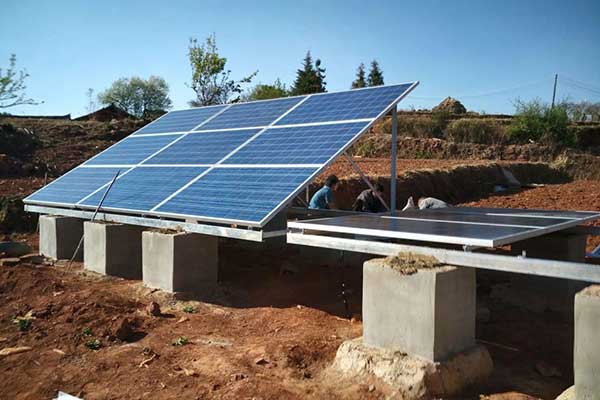
The size of the solar panel determines how much energy the pump will receive from the sun. Higher wattage panels can power larger pumps and are more efficient in locations with limited sunlight. However, the panel’s size should also be matched to the pump’s power requirements. A higher wattage pump will demand a larger solar panel to function optimally.
4. Pump Material and Durability
Solar water pumps are typically made of stainless steel, plastic, or a combination of both. Stainless steel pumps tend to be more durable and resistant to rust, making them suitable for long-term use in harsh environments. On the other hand, plastic pumps are more affordable but may not last as long, especially in areas with extreme weather conditions.
5. Battery Storage (Optional)
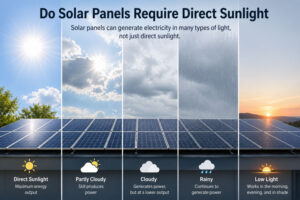
While solar water pumps typically operate during the day, you may want to store excess energy for use at night or on cloudy days. Some solar pumps come with built-in battery storage or allow you to add a battery system. This feature ensures that your water supply remains uninterrupted regardless of the time of day.
6. Ease of Installation and Maintenance
Installing and maintaining a solar water pump should be relatively simple. Look for a system that includes easy-to-follow instructions and offers convenient maintenance options.
Benefits of Using a Solar Water Pump
There are numerous advantages to switching to solar-powered water pumps:
- Cost Savings: Once installed, solar pumps have little to no ongoing operational costs, as they rely entirely on solar energy. This can lead to significant long-term savings compared to traditional electric or fuel-powered pumps.
- Eco-Friendly: By utilizing renewable solar energy, these pumps reduce your carbon footprint and minimize the need for fossil fuels. Solar-powered systems are also ideal for off-grid applications where traditional electricity is unavailable.
- Low Maintenance: Solar water pumps have fewer moving parts compared to their traditional counterparts, resulting in lower maintenance requirements and a longer lifespan.
- Reliability: Solar water pumps are extremely reliable, as they are less likely to break down due to wear and tear compared to electric pumps. In addition, solar panels are built to withstand weather conditions, making them ideal for both hot and cold climates.
How to Choose the Right Solar Water Pump for Your Needs
Choosing the right solar water pump ultimately depends on your specific needs. Here’s a quick breakdown of common applications and the ideal solar water pump for each:
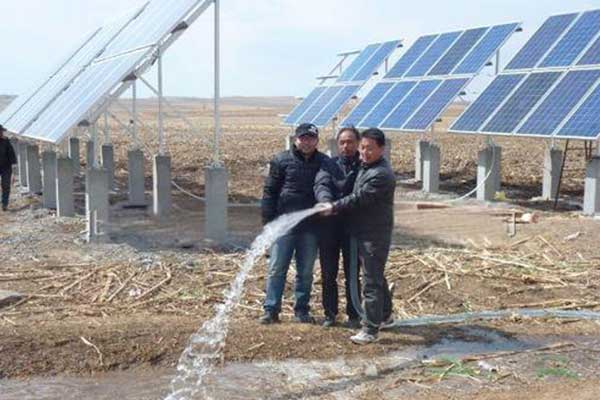
- For Irrigation: Choose a surface or submersible pump with a high flow rate and sufficient head height.
- For Livestock Watering: A surface pump with moderate flow and low maintenance is ideal.
- For Swimming Pools/Fountains: Small fountain or pool solar pumps are the best choice, with lower wattage and easy setup.
- For Remote Areas (Off-Grid): Opt for a solar pump with a battery storage option to ensure a continuous water supply.
Conclusion
A solar water pump is an eco-friendly and cost-effective investment for various water supply needs. By understanding the different types, key factors, and benefits, you can easily select the perfect system for irrigation, livestock watering, or off-grid applications. Contact us today to find the ideal solar water pump that suits your needs!