LED lights have revolutionized the way we light our homes, businesses, and public spaces. They are energy-efficient, long-lasting, and versatile, making them a popular choice for various applications. But not all LED lights are created equal. There are several types of LED lights, each designed to serve specific purposes. In this article, we will explore the different types of LED lights, their features, and their ideal uses.
1. Standard LED Bulbs
What Are They?
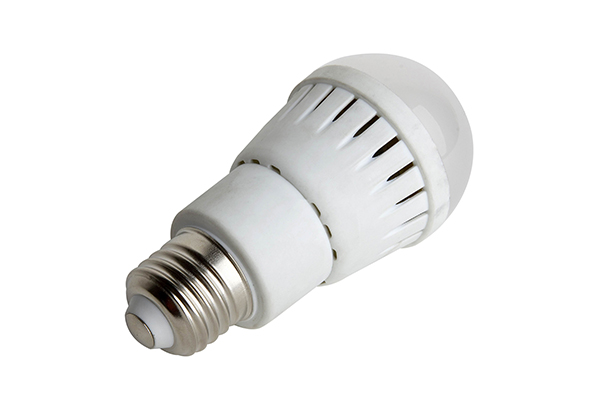
Standard LED bulbs are the most common type of LED lighting found in homes and offices. They come in various shapes, sizes, and color temperatures to suit different environments. These bulbs use a small amount of electricity to produce light, which is why they are highly energy-efficient.
Features:
- Available in multiple wattages (equivalent to incandescent bulbs)
- Long lifespan (up to 25,000 hours or more)
- Instant-on feature
- Available in warm, neutral, and cool white color temperatures
Ideal Uses:
- General lighting in homes, offices, and commercial spaces
- Replacing traditional incandescent or CFL bulbs
2. LED Spotlights
What Are They?
LED spotlights are focused lights designed to highlight specific areas or objects. These lights are perfect for accent lighting, providing a sharp beam of light that can be directed exactly where it is needed.
Features:
- Adjustable beam angles (usually between 15° to 45°)
- High-intensity light output
- Available in various color temperatures
- Energy-efficient and long-lasting
Ideal Uses:
- Accent lighting for art, architecture, or outdoor spaces
- Task lighting in kitchens, offices, or workshops
- Landscape lighting and outdoor applications
3. LED Flood Lights
What Are They?
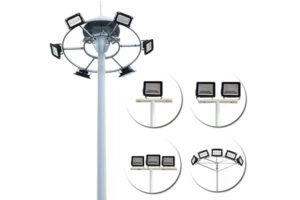
LED flood lights provide wide-angle illumination, making them ideal for large areas that need to be brightly lit. These lights are often used for security purposes or to light up outdoor spaces.
Features:
- High lumen output for bright, expansive lighting
- Available in different wattages
- Weather-resistant and durable
- Energy-efficient with low maintenance
Ideal Uses:
- Outdoor security lighting
- Stadiums, parking lots, and large event spaces
- Garden or landscape lighting
4. LED Tube Lights
What Are They?
LED tube lights are the modern replacement for traditional fluorescent tube lights. They are commonly used in commercial and industrial settings, offering excellent illumination without the flickering and hazardous materials found in fluorescent lights.
Features:
- Easy installation (often a direct retrofit for fluorescent fixtures)
- Energy-efficient with a longer lifespan
- Available in various lengths and brightness levels
- Instant-on with no flickering
Ideal Uses:
- Offices, warehouses, and factories
- Under-cabinet lighting in kitchens
- Large spaces requiring uniform, bright lighting
5. LED Downlights
What Are They?
LED downlights, also known as recessed lights, are installed into the ceiling, providing a clean, modern look while delivering focused light in a downward direction. These lights are often used for ambient or accent lighting.
Features:
- Sleek and minimalist design
- Can be dimmable, offering control over light intensity
- Available in various sizes and finishes
- Energy-efficient with a long lifespan
Ideal Uses:
- Residential homes for kitchen, living room, or hallway lighting
- Commercial spaces like offices, restaurants, and retail shops
- Accent lighting in galleries or museums
6. LED Strip Lights
What Are They?
LED strip lights are flexible strips containing small, energy-efficient LED bulbs. They can be cut to size and are perfect for creating decorative or accent lighting in both residential and commercial settings.
Features:
- Flexible and customizable
- Available in single or multicolor options
- Easy installation with adhesive backing
- Low energy consumption
Ideal Uses:
- Under-cabinet and under-shelf lighting
- Accent lighting in home theaters or entertainment rooms
- Decorative lighting for bars, restaurants, or events
7. LED High Bay Lights
What Are They?
LED high bay lights are designed for high-ceiling spaces, providing a powerful light source that can illuminate large areas. These lights are commonly used in industrial and commercial environments.
Features:
- High-intensity light output
- Durable construction, often weather-resistant
- Ideal for high-ceiling installations
- Energy-efficient with low heat emission
Ideal Uses:
- Warehouses, factories, and gyms
- Large retail spaces and exhibition halls
- High-ceiling areas in airports or shopping malls
8. Smart LED Lights
What Are They?
Smart LED lights are equipped with advanced technology that allows you to control the light remotely via a smartphone, voice assistant, or smart hub. These lights offer convenience and flexibility for modern homes and businesses.
Features:
- Adjustable color temperatures and brightness
- Can be controlled via apps, voice commands, or smart home systems
- Dimmable and customizable to suit different moods
- Energy-efficient and long-lasting
Ideal Uses:
- Home automation systems for lighting control
- Accent lighting and mood lighting
- Commercial applications requiring remote management
9. LED Outdoor Lights
What Are They?
LED outdoor lights are specifically designed to withstand the elements and provide reliable lighting in outdoor environments. These lights are available in various styles, such as pathway lights, wall-mounted lights, and post lights.
Features:
- Weatherproof and durable construction
- Available in various designs for different applications
- Energy-efficient with low maintenance requirements
- Long lifespan
Ideal Uses:
- Pathway, driveway, and garden lighting
- Outdoor security lighting
- Decorative lighting for patios and decks
Conclusion
LED lights have become the go-to choice for lighting in residential, commercial, and industrial applications due to their energy efficiency, longevity, and versatility. Whether you’re looking for a general lighting solution, accent lighting, or specialized outdoor lighting, there is an LED option that fits your needs. By choosing the right type of LED light, you can not only save energy and reduce costs but also enhance the aesthetic appeal and functionality of any space.