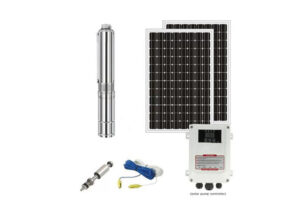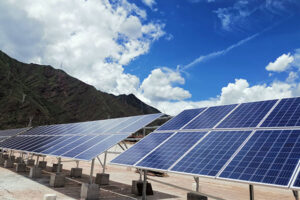
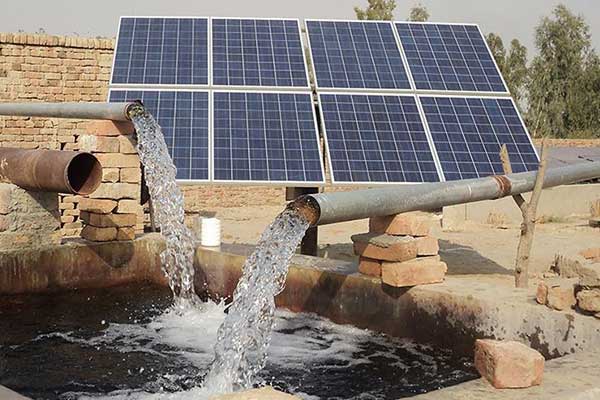
Efficient irrigation is crucial for sustainable agriculture, and farmers are increasingly turning to solar water pumps as a cost-effective and eco-friendly solution. Solar water pumps harness the power of the sun to supply water to crops, reducing dependence on conventional electricity or diesel-powered pumps. In this article, we will explore the key benefits of using solar water pumps for irrigation and why they are becoming a popular choice for modern farmers.
1. Cost Savings on Energy
One of the primary advantages of solar water pumps is their low operating cost. Unlike diesel or electric pumps, solar pumps rely entirely on sunlight, which is free. After the initial investment, farmers can significantly reduce or even eliminate monthly energy expenses. Over time, these cost savings can outweigh the upfront installation costs, making solar pumps a financially smart investment.
2. Environmentally Friendly and Sustainable
Solar water pumps produce zero greenhouse gas emissions, making them an eco-friendly irrigation solution. By replacing diesel-powered pumps, farmers can reduce their carbon footprint and contribute to a cleaner environment. Additionally, solar irrigation aligns with global efforts to promote sustainable farming practices and combat climate change.
3. Reliable Water Supply in Remote Areas
In many rural or off-grid regions, access to electricity is limited or unreliable. Solar water pumps provide a reliable source of water even in remote locations, ensuring crops receive consistent irrigation. This independence from the power grid enhances agricultural productivity and reduces the risk of crop failure due to water shortages.
4. Low Maintenance and Long Lifespan
Solar water pumps are designed for durability and minimal maintenance. With fewer moving parts compared to diesel engines, these pumps experience less wear and tear, reducing the need for frequent repairs. A well-maintained solar pump can last 10–15 years, providing a long-term irrigation solution with minimal hassle.
5. Flexible and Scalable Irrigation
Solar pumps are available in various capacities, making them suitable for different irrigation needs—from small gardens to large agricultural fields. Additionally, solar systems can be expanded by adding more panels or pumps as water requirements grow, offering farmers flexibility and scalability in their irrigation practices.
6. Improved Crop Yields
By providing a consistent and reliable water supply, solar water pumps help maintain optimal soil moisture levels, which directly contributes to improved crop yields. Farmers can schedule irrigation more efficiently, reduce water stress on plants, and ultimately enhance overall farm productivity.
Conclusion
Solar water pumps for irrigation are not just an eco-friendly solution—they are cost-effective, reliable, and efficient. By switching to solar-powered irrigation, farmers can save money, conserve resources, and increase productivity while contributing to a sustainable environment.
Whether you are a small-scale farmer or manage large agricultural operations, investing in solar water pumps is a smart step toward modern, sustainable farming.