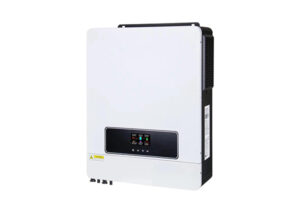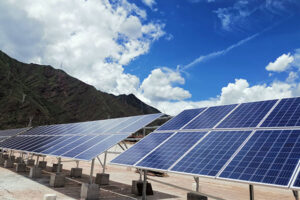
In today’s world of growing energy demands and rising electricity costs, off grid solar systems have become a practical and sustainable solution for homes, farms, and remote facilities. At the center of every off grid solar system lies a critical component — the off grid solar inverter. This device is responsible for converting solar energy into usable electricity, ensuring that your power system runs smoothly and efficiently, even without connection to the utility grid.
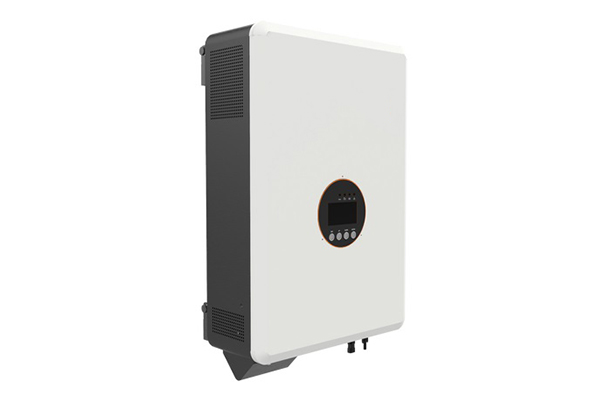
What is an Off Grid Solar Inverter?
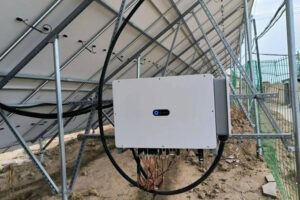
An off grid solar inverter is a device that converts direct current (DC) produced by solar panels into alternating current (AC), which can be used to power household appliances, machinery, and lighting.
Unlike on-grid inverters, which work alongside the main power grid, an off grid inverter operates independently, storing excess energy in batteries for later use — such as at night or during cloudy days.
Key Components of an Off Grid Solar Power System
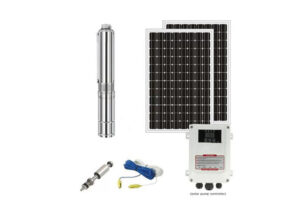
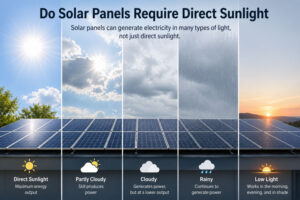
- Solar Panels – Capture sunlight and generate DC electricity.
- Charge Controller – Regulates power flow from panels to batteries.
- Battery Bank – Stores energy for later use.
- Off Grid Solar Inverter – Converts DC to AC for practical use.
These four components work together to create a self-sufficient energy solution.
How Does an Off Grid Solar Inverter Work?
The working process of an off grid inverter involves several stages:
- Solar Power Generation – Solar panels generate DC electricity from sunlight.
- Battery Charging – The charge controller sends part of the energy to charge batteries.
- Power Conversion – The inverter converts DC from panels or batteries into AC.
- Energy Supply – The converted AC powers your home or facility directly.
When the batteries are fully charged, the inverter automatically manages the power flow to prevent overcharging or energy loss.
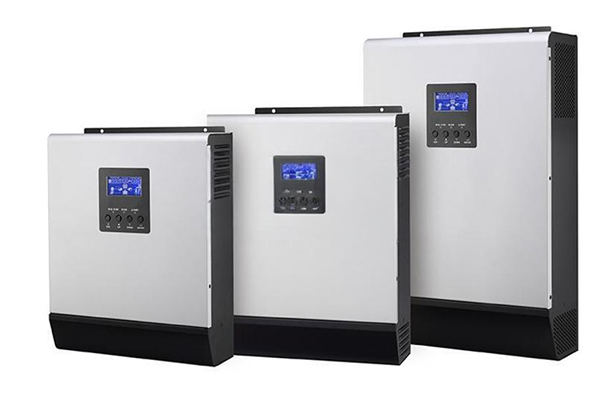
Types of Off Grid Solar Inverters
There are several types of inverters depending on capacity and function:
1. Pure Sine Wave Inverter
- Produces clean, smooth electricity similar to grid power.
- Suitable for sensitive electronics, medical equipment, and household appliances.
2. Modified Sine Wave Inverter
- Cheaper but less efficient.
- Works with simple devices like lights, fans, or pumps.
3. Hybrid Off Grid Inverter
- Combines solar and battery management with the ability to connect a generator or backup power source.
- Ideal for areas with limited sunlight or high energy consumption.
Benefits of an Off Grid Solar Inverter
- Energy Independence – No reliance on the public grid.
- Cost Savings – Reduced or zero electricity bills.
- Reliable Power Supply – Perfect for remote areas without grid access.
- Environmentally Friendly – Uses renewable solar energy to reduce carbon footprint.
- Scalability – Easy to expand with more panels or batteries as needed.
Applications of Off Grid Solar Inverters
Off grid solar inverters are used in a variety of settings, including:
- Rural homes and cabins
- Farms and agricultural sites
- Telecommunication towers
- Emergency backup systems
- Remote industrial facilities
- Islands and off-grid resorts
In all these scenarios, the inverter ensures a continuous and stable power supply regardless of location or weather conditions.

How to Choose the Right Off Grid Solar Inverter
When selecting an inverter, consider the following factors:
- Power Capacity (Wattage) – Match the inverter size with total appliance load.
- Battery Compatibility – Ensure it supports your battery type (lithium, lead-acid, etc.).
- Input Voltage – Check if it matches your solar panel configuration.
- Efficiency Rating – Higher efficiency means less energy loss.
- Durability and Protection – Look for models with surge protection, temperature control, and waterproof housing.
FAQs
In most systems, no — an off grid inverter requires batteries to store energy and supply power when sunlight is unavailable. However, some modern hybrid inverters can function with or without batteries depending on configuration.
A high-quality inverter typically lasts 8–15 years, depending on usage, temperature, and maintenance. Proper installation and regular cleaning can significantly extend its lifespan.
Yes — as long as your inverter has enough power capacity to handle the startup current of these appliances. Make sure to size your inverter and battery bank accordingly.
Many outdoor-rated inverters come with IP65 or IP66 protection, which makes them resistant to dust and water. Always check the IP rating before installing your inverter outdoors.
Yes. High temperatures can cause the inverter to derate (reduce output) or overheat, while extreme cold can affect battery efficiency.
For best performance, install the inverter in a ventilated, shaded, and dry environment, ideally between 0°C and 40°C (32°F–104°F).
Conclusion
An off grid solar inverter is more than just a technical component — it’s the core of an independent power system. It ensures you can generate, store, and use clean energy anytime and anywhere. Whether you’re powering a remote cabin, a farm, or a commercial facility, choosing a reliable off grid inverter means investing in energy freedom and sustainability for years to come.
If you are looking for a reliable off grid solar inverter, we offer efficient, durable, and high-performance solutions for homes, farms, and businesses. Our inverters work with both lithium and lead-acid batteries and are designed for long-term, independent power supply. Contact us now for more information.