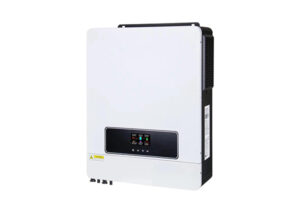
When people talk about solar power, most think of solar panels first. But there’s another crucial component in every solar energy system—the solar inverter. Without it, your solar panels couldn’t power your home or business effectively. So, how does a solar inverter work, and why is it so important? Let’s break it down.
What is a Solar Inverter?
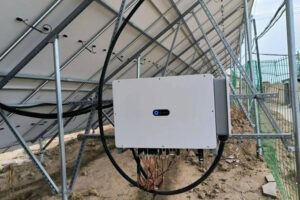
A solar inverter is a device that converts direct current (DC) electricity produced by solar panels into alternating current (AC) electricity, which is the standard form of power used by most household appliances, commercial systems, and the electrical grid.
Without an inverter, the electricity generated by your solar panels would be unusable for everyday devices such as lights, refrigerators, air conditioners, or industrial machinery.
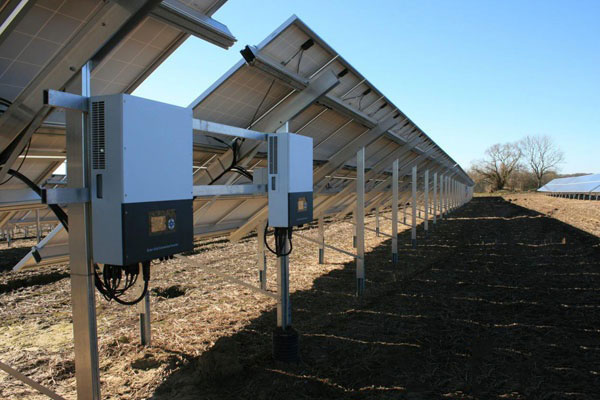
How Does a Solar Inverter Work? Step-by-Step
To understand how a solar inverter works, let’s break it down into simple steps:
1. Solar Panels Generate DC Electricity
When sunlight hits the photovoltaic (PV) cells inside a solar panel, it excites electrons and produces DC electricity. This power flows in one direction and cannot be directly used by AC-powered devices.
2. DC Power Sent to the Inverter
The generated DC power travels from the solar panels to the solar inverter through electrical wiring.
3. DC to AC Conversion
Inside the inverter, complex electronic components (like transistors, capacitors, and microcontrollers) convert DC into AC power. This involves:
- Changing the direction of current flow to create alternating current.
- Adjusting the voltage and frequency to match your local grid (e.g., 120V/60Hz in the U.S. or 230V/50Hz in Europe).
4. Synchronization with the Grid or Power System
If your system is grid-tied, the inverter synchronizes the AC power’s phase and frequency with the utility grid to ensure safe and stable power delivery.
In an off-grid system, the inverter manages the power supply to batteries or direct loads.
5. Power Distribution
Finally, the usable AC electricity is sent to your home or business for immediate use. If more power is produced than needed, the excess can be stored in batteries or exported back to the grid for energy credits (in net metering systems).
Why is a Solar Inverter Important?
Without a solar inverter, the electricity from your solar panels would be unusable. But beyond conversion, inverters also offer additional benefits:
- System Monitoring: Most inverters track performance and display energy production data.
- Safety Features: They prevent back-feeding into the grid and shut down during faults.
- Grid Support: Some advanced models help stabilize grid voltage and frequency.
- Battery Management: Hybrid inverters manage charging and discharging cycles efficiently.
Final Thoughts
A solar inverter is the brain of your solar power system. It converts the sun’s energy into usable electricity, ensures safety, manages performance, and even communicates with the grid. Understanding how a solar inverter works will help you make smarter decisions when designing or upgrading your solar setup.