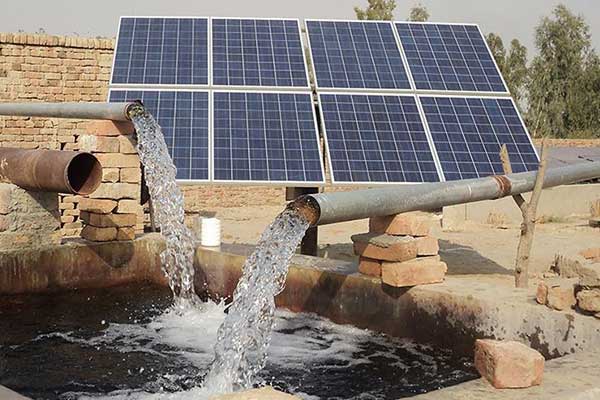
With rising energy costs and increasing awareness of sustainability, solar water pumps have become a popular solution for irrigation, livestock watering, and household water supply. Unlike traditional pumps, solar water pumps use renewable energy, helping reduce long-term operating costs while being eco-friendly. But with many options available, how do you choose the right solar water pump for your needs?
In this guide, we’ll walk you through the key factors to consider before making a purchase.
1. Identify Your Water Source
The type of solar water pump you need largely depends on your water source:
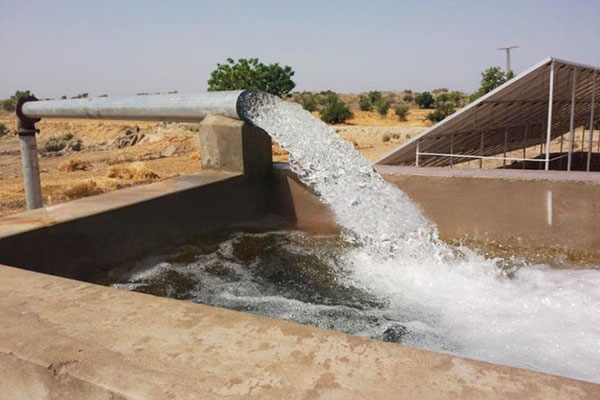
- Surface water (rivers, lakes, ponds): A surface solar pump is sufficient.
- Deep wells or boreholes: You’ll need a submersible solar pump designed to lift water from greater depths.
Tip: Always measure the depth of your well or water source before selecting a pump.
2. Determine Water Requirements
Think about how much water you need daily:
- Irrigation farms require larger flow rates.
- Household water supply usually needs moderate capacity.
- Livestock watering can vary depending on the herd size.
Manufacturers usually provide a flow rate (liters per hour or gallons per minute)—compare this with your daily needs.
3. Check Pump Head (Lift Height)
The total dynamic head (TDH) indicates how high the pump can lift water. It includes:
- Vertical lift (depth of the well)
- Horizontal distance the water needs to travel
- Pressure needed at the delivery point
A pump with insufficient head capacity will not work efficiently, so always check this specification carefully.
4. Match Pump Size with Solar Panel Capacity
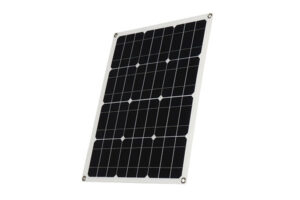
A solar water pump works only as efficiently as the solar panels powering it.
- Small pumps (for gardens or small households) can run on low-wattage panels.
- Large pumps (for irrigation or communities) require higher solar power capacity.
Make sure your solar array generates enough energy to run the pump, even during cloudy conditions.
5. Consider Pump Efficiency and Technology
Modern solar pumps use different technologies:
- DC pumps: More efficient with solar power, ideal for off-grid areas.
- AC pumps: Work with solar but require an inverter, which adds cost.
6. Check Durability and Maintenance Needs
Since solar pumps are often installed in remote areas, choose a system that is:
- Corrosion-resistant (stainless steel or high-quality plastic materials)
- Weatherproof (suitable for outdoor use)
- Low-maintenance (easy access to spare parts and service support)
7. Budget and Long-Term Cost Savings
The initial investment for a solar water pump can be higher than a traditional pump, but:
- You save on fuel or electricity bills.
- A durable system pays for itself in the long run.
Conclusion
Choosing the right solar water pump comes down to understanding your water source, daily water needs, pump head, solar panel compatibility, and durability requirements. By carefully evaluating these factors, you can select a reliable and cost-effective solution that ensures a steady water supply while saving energy.
Looking for the best solar water pump for your needs? Contact us today for expert guidance.