Monocrystalline solar panels—often called mono panels—are one of the most popular and efficient solar technologies in the world. Whether for residential rooftops, commercial facilities, or industrial-scale solar farms, these panels offer unmatched performance, durability, and energy output.
This guide covers everything you need to know: how monocrystalline panels work, their advantages, applications, lifespan, and how they compare with other solar technologies.
What Are Monocrystalline Solar Panels?
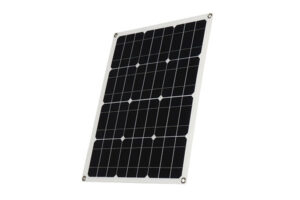
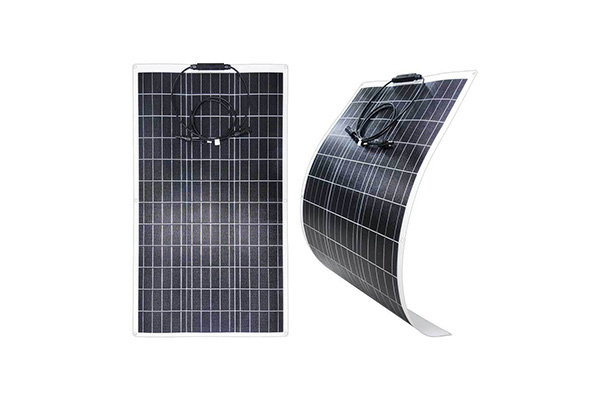
Monocrystalline solar panels are made from single-crystal silicon, which allows electrons to move more freely and produce electricity more efficiently. The solar cells usually have a uniform black color, giving mono panels a premium appearance and high power output.
They are widely used in:
- Home solar systems
- Commercial building installations
- Off-grid solar kits
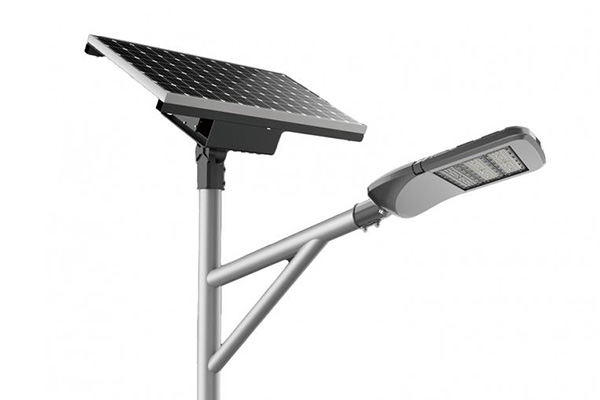
- Solar street lights
- Portable and marine applications
How Monocrystalline Solar Panels Work
- Single-crystal silicon ingots are sliced into wafers.
- Each wafer becomes a monocrystalline solar cell.
- Solar cells convert sunlight into DC power through the photovoltaic effect.
- Multiple cells are connected to form a complete solar panel.
Because the silicon structure is uniform and pure, monocrystalline cells achieve high electron mobility, resulting in high conversion efficiency.
Key Advantages of Monocrystalline Solar Panels
1. Highest Conversion Efficiency
Mono panels typically offer 20%–24% efficiency, making them the most efficient commercial solar panel type. This means better energy yield, especially in limited spaces.
2. Better Performance in Low-Light Conditions
They generate more power during cloudy days, mornings, and evenings compared with polycrystalline panels.
3. Long Lifespan (25–30 Years or More)
High-quality silicon and stable performance allow monocrystalline modules to maintain power output for decades.
4. Attractive Appearance
The dark, uniform color makes monocrystalline panels aesthetically pleasing—especially for residential rooftops, commercial buildings, and solar carports.
5. Excellent Temperature Performance
Mono panels maintain higher efficiency at high temperatures, which is crucial in tropical and desert regions.
Disadvantages to Consider
While they offer top performance, monocrystalline panels also have some drawbacks:
- Higher Cost — More expensive due to complex manufacturing.
- Waste Material — Producing single-crystal silicon generates more silicon waste.
- Fragility During Production — The wafers are thin and can break if mishandled.
Even so, the long-term energy savings usually offset the higher initial investment.
Monocrystalline vs. Polycrystalline vs. Thin-Film
| Feature | Monocrystalline | Polycrystalline | Thin-Film |
|---|---|---|---|
| Efficiency | ★★★★★ Highest | ★★★ Medium | ★★ Low |
| Lifespan | 25–30 years | 20–25 years | 10–20 years |
| Space Needed | Least | More | Most |
| Cost | Highest | Medium | Lowest |
| Aesthetics | Premium black | Blue tones | Dark or metallic |
| Low-Light Performance | Excellent | Good | Average |
Applications of Monocrystalline Solar Panels
Monocrystalline panels are suitable for almost every type of project, especially those requiring maximum energy output:
1. Residential Rooftops
Ideal for homes with limited roof space or where appearance matters. High efficiency means fewer panels for the same power output.
2. Commercial & Industrial Installations
Warehouses, factories, office buildings, and retail spaces benefit from high-density solar arrays that maximize energy production per square meter.
3. Utility-Scale Solar Farms
Monocrystalline panels now dominate utility projects due to their efficiency and slow degradation over time.
4. Off-Grid Systems
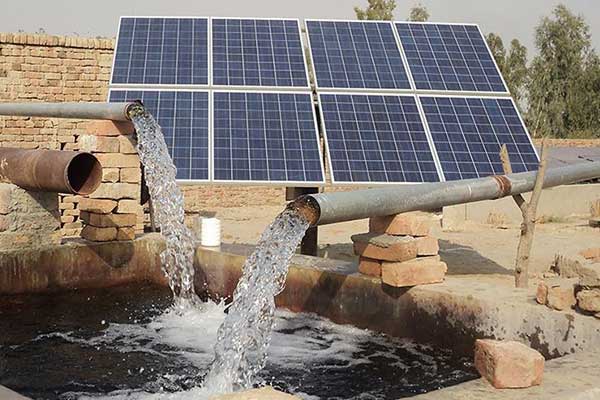
Cabins, RVs, solar street lights, telecom towers, and agricultural systems rely on mono panels for dependable output in variable weather.
5. Marine & Portable Applications
The superior efficiency makes mono panels ideal for high-performance portable generators, yacht panels, and foldable solar kits.
How Long Do Monocrystalline Solar Panels Last?
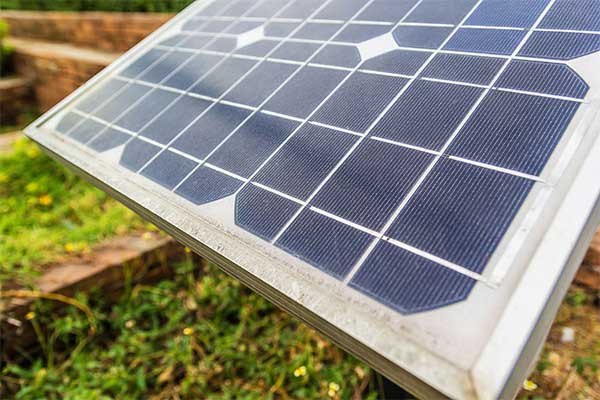
Monocrystalline solar panels typically last 25–30 years, but many continue producing power for up to 40 years with minimal degradation. Annual degradation rates are usually 0.3%–0.5%, meaning performance remains strong over decades.
Are Monocrystalline Solar Panels Worth It?
Yes. For users seeking:
- Maximum power generation
- Reliable long-term performance
- A clean, premium appearance
- Better low-light output
Monocrystalline solar panels are the best overall investment.
Final Thoughts
Monocrystalline solar panels combine high efficiency, long lifespan, and excellent performance across diverse environmental conditions. Whether you’re installing a rooftop system, powering off-grid equipment, or building a utility-scale project, monocrystalline technology delivers the best long-term return on investment.
Ready to Upgrade to High-Efficiency Monocrystalline Solar Panels?
If you’re looking for reliable, high-performance solar solutions for residential, commercial, or large-scale projects, monocrystalline solar panels offer the best long-term value. Our team provides a full range of premium mono panels—available in multiple wattages, technologies, and configurations—to help you maximize energy output and reduce lifecycle costs.
Contact us today for product specifications, pricing, and expert guidance on selecting the right solar panels for your project.