As the demand for renewable energy continues to grow, solar power has become one of the most effective and sustainable solutions for homes and businesses. But to make the most of your solar system, choosing the right inverter is crucial. Among all the options, the hybrid solar inverter is gaining popularity as the most efficient and flexible choice. It combines the benefits of grid-tied and off-grid systems, offering a smart way to maximize energy usage and reduce electricity costs.
What is a Hybrid Solar Inverter?
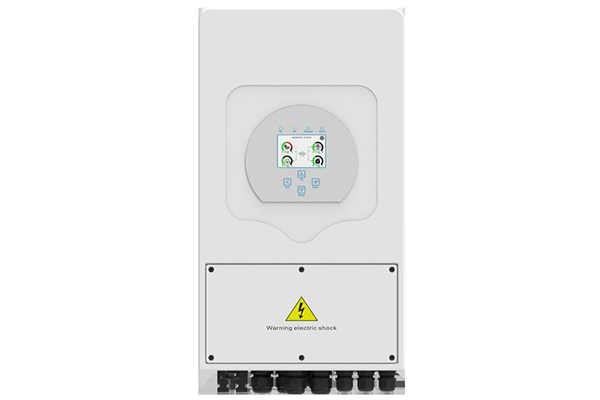
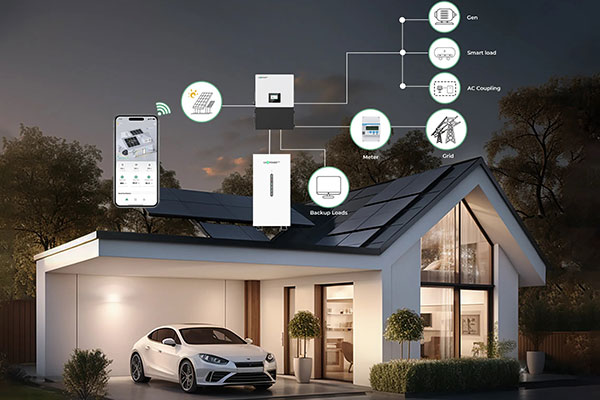
A hybrid solar inverter is an advanced type of solar inverter that combines the functions of a traditional grid-tied inverter and an off-grid inverter. It converts the direct current (DC) generated by solar panels into alternating current (AC) used by household appliances. At the same time, it manages energy storage in batteries and can supply power to your home even when the grid is down.
Unlike standard inverters that only feed power into the grid or battery, a hybrid inverter intelligently distributes solar energy between your home’s electrical needs, battery storage, and the utility grid. This makes your solar power system more efficient, flexible, and reliable.
How Does a Hybrid Solar Inverter Work?
The working principle of a hybrid inverter can be broken down into a few simple steps:
- Solar Energy Conversion: The inverter converts DC electricity from solar panels into usable AC power.
- Power Distribution: It prioritizes powering your home first. If there is surplus energy, it charges the battery.
- Battery Storage Management: When the battery is full, excess energy can be exported to the grid (if net metering is available).
- Backup Power Supply: During grid outages or at night, the inverter uses stored battery power to keep your home running.
This seamless energy management ensures that you always have power available — from the sun, from the battery, or from the grid.
Key Features of Hybrid Solar Inverters
- Energy Storage Integration: Built-in support for solar batteries to store excess energy.
- Grid-Tied + Off-Grid Functionality: Can feed power into the grid and operate independently during blackouts.
- Smart Energy Management: Prioritizes solar consumption, battery charging, and grid export based on demand.
- Monitoring & Control: Many hybrid inverters come with apps or online platforms for real-time energy tracking.
- Backup Power: Ensures continuous power supply even during outages.
Benefits of Using a Hybrid Solar Inverter
1. Energy Independence
With battery storage and grid connectivity, hybrid inverters allow you to rely less on the utility grid and more on renewable energy.
2. Cost Savings
By using solar energy during the day and stored energy at night, you can significantly reduce electricity bills.
3. Uninterrupted Power Supply
Even during power outages, the system automatically switches to battery backup, ensuring continuous power for essential devices.
4. Future-Ready Investment
Hybrid inverters are scalable — you can start with solar panels and add battery storage later, making them a flexible and future-proof solution.
5. Eco-Friendly Solution
By maximizing solar usage and reducing reliance on fossil fuels, hybrid systems contribute to a greener planet.
Hybrid vs. Traditional Solar Inverters
| Feature | Hybrid Inverter | Grid-Tied Inverter | Off-Grid Inverter |
|---|---|---|---|
| Battery Support | Yes | No | Yes |
| Grid Connection | Yes | Yes | No |
| Backup Power | Yes | No | No |
| Energy Management | Smart | Limited | Basic |
| Cost | Higher | Lower | Medium |
A hybrid inverter is the best of both worlds — it offers the flexibility of off-grid systems and the simplicity of grid-tied systems.
Applications of Hybrid Solar Inverters
Hybrid solar inverters are ideal for a variety of applications, including:
- Residential Homes: Provide stable power and backup during outages.
- Commercial Buildings: Reduce operational costs and improve energy efficiency.
- Industrial Sites: Power critical equipment and reduce peak demand charges.
- Remote Locations: Perfect for off-grid or limited-grid areas.
Choosing the Right Hybrid Solar Inverter
When selecting a hybrid inverter, consider the following factors:
- Power Rating: Ensure it matches your energy consumption and solar panel capacity.
- Battery Compatibility: Check if it supports your preferred battery type (e.g., lithium-ion, lead-acid).
- Efficiency: Look for models with high conversion efficiency (above 95%).
- Smart Features: Real-time monitoring, Wi-Fi connectivity, and remote control are valuable features.
- Brand Reliability: Choose reputable manufacturers known for durability, safety, and warranty support.
Final Thoughts
A hybrid solar inverter is the heart of a solar power system. It not only maximizes the use of solar energy but also provides energy security, cost savings, and flexibility. Whether for residential, commercial, or industrial use, a hybrid inverter is a smart investment that pays off in the long run — both financially and environmentally.
Looking for a reliable hybrid solar inverter supplier? Contact us today for specifications, prices, and expert support.