As more people turn to solar power, solar batteries have become an essential part of modern energy systems. They allow you to store excess electricity generated by your solar panels and use it later—at night or during power outages. If you’re considering solar energy, one of the first questions you might ask is: how much do solar batteries cost?
This guide explains the typical price range, the key factors that affect cost, and what you should consider before buying a solar battery system.
What is a Solar Battery?
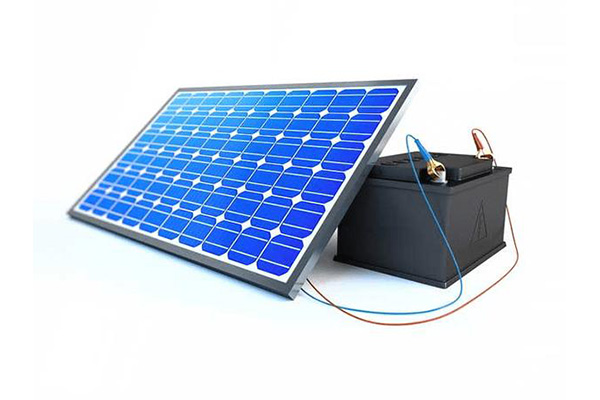
A solar battery stores excess electricity generated by your solar panels during the day. Instead of sending that power back to the grid, the stored energy can be used at night, during cloudy days, or in case of a power outage.
With a solar battery system, you can use more of your own solar energy and reduce your reliance on the utility grid.
How Much Do Solar Batteries Cost
The price of solar batteries typically falls within the following range:
| Battery Capacity | verage Price per kWh | Typical Total Price |
|---|---|---|
| 5 kWh | $700 – $1,000 per kWh | $3,500 – $5,000 |
| 10 kWh | $600 – $900 per kWh | $6,000 – $9,000 |
| 15 kWh | $500 – $800 per kWh | $7,500 – $12,000 |
This price refers only to the battery module itself, not the full solar energy system. Additional costs—such as inverters, wiring, and labor—are separate.
Factors That Affect Solar Battery Cost
Several factors influence how much you’ll pay for a solar battery unit:
1. Battery Chemistry
- Lithium-ion batteries are the most common choice today. They offer high efficiency, long lifespan, and low maintenance but are generally more expensive.
- Lead-acid batteries cost less upfront but require more maintenance and have a shorter life cycle.
2. Capacity (kWh)
The higher the energy storage capacity, the more expensive the battery. Larger batteries typically have a lower cost per kWh, but a higher total cost.
3. Cycle Life and Depth of Discharge (DoD)
Premium batteries with longer life cycles (more charge/discharge cycles) and higher usable capacity (higher DoD) usually cost more but deliver better long-term value.
4. Warranty and Build Quality
High-quality batteries often include 10-year warranties and better internal management systems, which increase their price but reduce replacement costs later.
5. Market and Material Costs
Global demand for lithium, nickel, and cobalt affects raw material prices, which can impact solar battery pricing year by year.
6. Government Incentives
Many countries and regions offer tax credits, rebates, or incentives for solar energy storage systems, which can reduce your total cost by a significant margin.
Are Solar Batteries Worth the Investment?
Solar batteries are a smart investment for many property owners. They provide:
- Energy independence by reducing reliance on the grid
- Protection during outages
- Long-term savings through optimized energy use
While the upfront cost can be substantial, many users find that the benefits—especially when combined with solar panels—make it worthwhile over the long run.
Final Thoughts
So, how much do solar batteries cost? When looking only at the battery itself, most systems fall between $6,000 and $12,000, depending on storage size and technology.
Whether you’re upgrading an existing solar setup or planning a new one, understanding battery-only pricing helps you budget more accurately and choose the right energy storage solution for your needs.